
4 Essential Steps to Successfully Planting Vegetable Seeds in Your Garden
In this article, we will explore the essential steps and techniques required to successfully plant vegetable seeds in your home garden, ensuring a bountiful harvest. By understanding the nuances of seed selection, soil preparation, and maintenance, gardeners can significantly enhance the quality and quantity of their produce. While every garden is unique, there are universal principles that guide effective vegetable planting. Paying attention to each step ensures a thriving garden environment that is productive and resilient. Embarking on this gardening journey with adequate information sets the foundation for ongoing success and satisfaction.
Whether you're starting a new garden or improving an existing one, it's crucial to approach the task with research and planning. With the availability of varied resources and seed options, gardeners can tailor their plans to their specific garden and climate conditions. An informed approach results in increased yields and healthier plants, minimizing the chances of disappointment. By integrating essential practices, gardeners stand to gain not only a successful harvest but also an enriching hobby. Let's dive into the stepwise approach to achieving vegetable gardening success.
Beyond the tangible benefits of home-grown vegetables, gardening offers numerous mental and physical health advantages. Engaging in regular gardening activities provides exercise, exposure to fresh air, and opportunities for mindfulness. Moreover, the satisfaction and peace of mind derived from nurturing and harvesting your crops cannot be overstated. Given the plethora of benefits, understanding the essential steps to planting vegetable seeds effectively becomes crucial. As we explore this guide, remember that consistency, patience, and care are at the heart of gardening excellence.
1. Choose the Right Vegetable Seeds
Selecting the appropriate vegetable seeds is pivotal to ensuring a fruitful garden. Consideration of the climate and season is the primary factor when choosing seeds, as different plants thrive under specific conditions. Understanding your local weather patterns and seasonal changes can guide your seed selection, ensuring optimal growth. Researching the best vegetable varieties for your region helps in narrowing down choices, enhancing your garden's capability to produce abundant yields. Remember, plants that are well-suited to your environment require less maintenance effort and are naturally more resilient.
It's essential to prioritize seeds that are disease-resistant to reduce the potential for issues during the growing season. Disease-resistant varieties often save gardeners from unexpected setbacks and offer peace of mind. Additionally, checking seed viability and expiry dates is crucial, as expired seeds may not germinate efficiently. By purchasing seeds from reputable sources, you're ensuring high-quality seeds that are more likely to exhibit robust growth. Trustworthy suppliers often provide valuable insights and guidelines that can assist in successful planting and maintenance.
Understanding the viability of seeds can inform your planting schedules and expectations. Seeds that have been stored properly maintain their capability to germinate effectively, increasing the likelihood of a fruitful yield. As part of your selection process, it's also beneficial to explore and experiment with heirloom and hybrid varieties. Heirloom seeds offer unique qualities and flavors, while hybrid seeds may provide enhanced resistance and growth patterns. A diversified approach to seed selection is instrumental in sustaining a thriving and dynamic garden.
2. Prepare the Soil
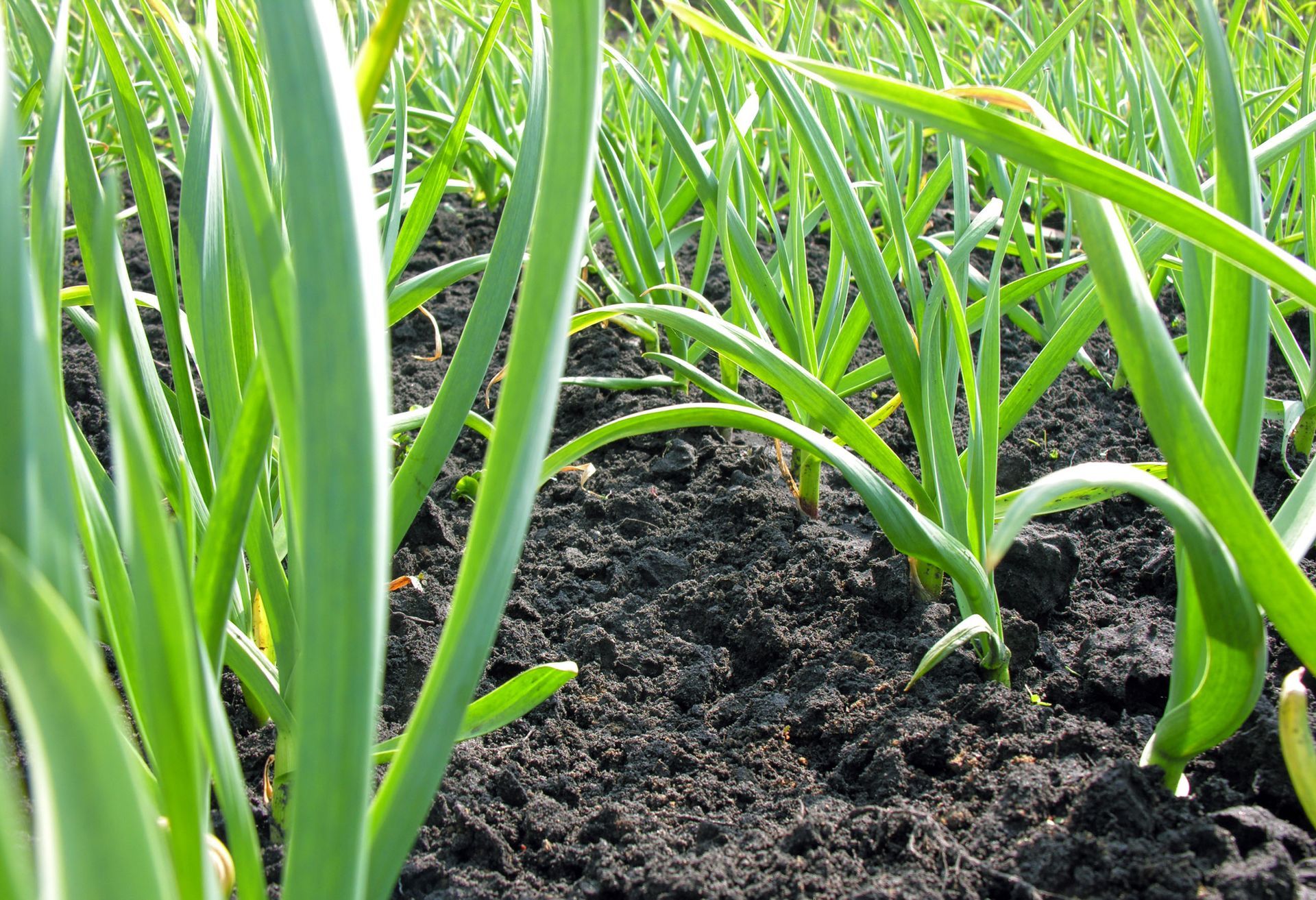
Preparing the soil for planting is a crucial step that determines the overall success of your vegetable garden. Testing soil pH levels helps in understanding its suitability for growing specific vegetables, as different plants have varying pH preferences. Once you know your soil pH, necessary adjustments can be made to create the ideal growing conditions. Enhancing soil with organic matter such as compost or well-rotted manure can improve its texture and nutrient content. Organic matter not only enriches the soil but also facilitates beneficial microbial activity.
Proper soil aeration techniques enhance the availability of oxygen to plant roots, promoting healthy growth and nutrient uptake. Using tools like garden forks or tillers can break up compacted soil, improving its structure and aeration. Additionally, ensuring adequate drainage is pivotal to prevent waterlogging and associated issues like root rot. Creating raised beds or incorporating sand into the soil can improve drainage efficiency. It's equally important to remove weeds and debris, which can compete with your vegetables for nutrients and space.
According to The Spruce, seeds need warm temperatures and consistent moisture to sprout, with ideal germination temperatures between 65°F and 75°F. Preparing the soil well in advance ensures that it is in optimal condition when your seeds are ready to be planted. Tools like moisture meters can help you monitor and maintain the right soil moisture levels. By focusing on soil preparation, gardeners set the stage for a successful growing season, increasing the likelihood of a healthy and productive garden. The preparation phase underscores the adage that a garden is only as good as its soil.
3. Understand Planting Depth and Spacing
Understanding planting depth and spacing is fundamental to the successful growth of vegetable seeds. It's imperative to follow seed packet instructions as they provide specific guidelines tailored to each plant's needs. Planting seeds at the correct depth ensures that they receive the right amount of moisture and warmth needed for germination. Furthermore, proper spacing allows for adequate air circulation around plants, reducing the risk of fungal disease and promoting healthy growth. Overcrowded plants often struggle due to competition for light, water, and nutrients.
Consideration of root depth and growth patterns is essential when determining how deep to plant seeds. Vegetables with deep root systems, such as carrots, require deeper, well-aerated soil to thrive. Conversely, shallow-rooted plants like lettuce benefit from being close to the soil surface, making them more accessible to air and nutrients. Paying attention to these characteristics when planting aids in optimizing each plant's growth potential. Adjustments to planting depth based on soil type can also impact seed germination, with sandy soils typically requiring deeper planting than loamy or clay soils.
Utilizing plant markers can help maintain organization and ensure that each plant receives the necessary space as it grows. Markers serve as guides during the initial planting process and help track progress over time. They can also be valuable reference points for future planting and maintenance activities. An organized planting scheme facilitates easier weed management and fertilization, making gardening tasks more efficient. By actively managing planting depth and spacing, gardeners create an environment conducive for vigorous plant development and abundant harvests.
4. Use Proper Watering Timing and Techniques
Watering practices play a pivotal role in the success of vegetable gardening, requiring careful attention to timing and techniques. Determining the water needs of different vegetables ensures that each plant receives adequate moisture without the risk of over-watering. While some plants thrive in consistently moist conditions, others prefer dryer soil surfaces, making individual plant requirements crucial. Choosing appropriate watering tools, like drip systems or soaker hoses, can improve precision and efficiency in water delivery. Tailored watering methods can significantly reduce water wastage and promote sustainable gardening practices.
Implementing efficient watering schedules involves understanding weather patterns, soil moisture retention, and each plant's stage of growth. Consistency is key, as irregular watering can lead to stress and inconsistent yields. Mulching is a valuable technique for retaining soil moisture, especially during hot, dry spells. Organic mulches like straw or wood chips not only conserve moisture but also suppress weed growth, enhancing overall garden productivity. It's essential to strike a balance, avoiding both over-watering, which can cause root rot, and under-watering, which can lead to dehydration and stress.
By following these essential steps, gardeners can optimize their vegetable planting process, leading to a thriving and productive garden that provides fresh produce throughout the season. Each stage, from seed selection to ongoing maintenance, contributes to the overall success of the garden. Adhering to principles of good gardening practices and remaining attentive to the specific needs of each plant sets the groundwork for bountiful harvests. As gardeners gain experience and adapt these techniques, they unlock their garden's true potential, making the most of their efforts and dedication. If you're looking for quality vegetable seeds for your garden, make sure to check out The Chas. C. Hart Seed Co today!






Share On: