
7 Reasons Wildflower Seeds Are Perfect for Your Garden This Spring
Spring is the season of renewal, making it the perfect time to refresh your outdoor space with color, texture, and life. As temperatures rise and daylight stretches longer into the evening, gardeners begin planning how to make the most of their landscapes. Whether you are working with a large yard, a compact backyard plot, or even a patch of unused soil along a fence line, thoughtful planting can completely transform your environment. One of the most rewarding and versatile options available this season is planting wildflower seeds.
Wildflowers offer more than just visual appeal. They bring movement, attract pollinators, improve soil health, and create a low-maintenance garden that thrives naturally. Instead of carefully spacing identical bedding plants, wildflowers allow you to cultivate a more organic, meadow-inspired look that changes and evolves throughout the season. If you are looking for a simple yet impactful way to elevate your landscape this spring, here are seven compelling reasons to consider adding wildflower seeds to your garden plan.
1. Add Vibrant Color
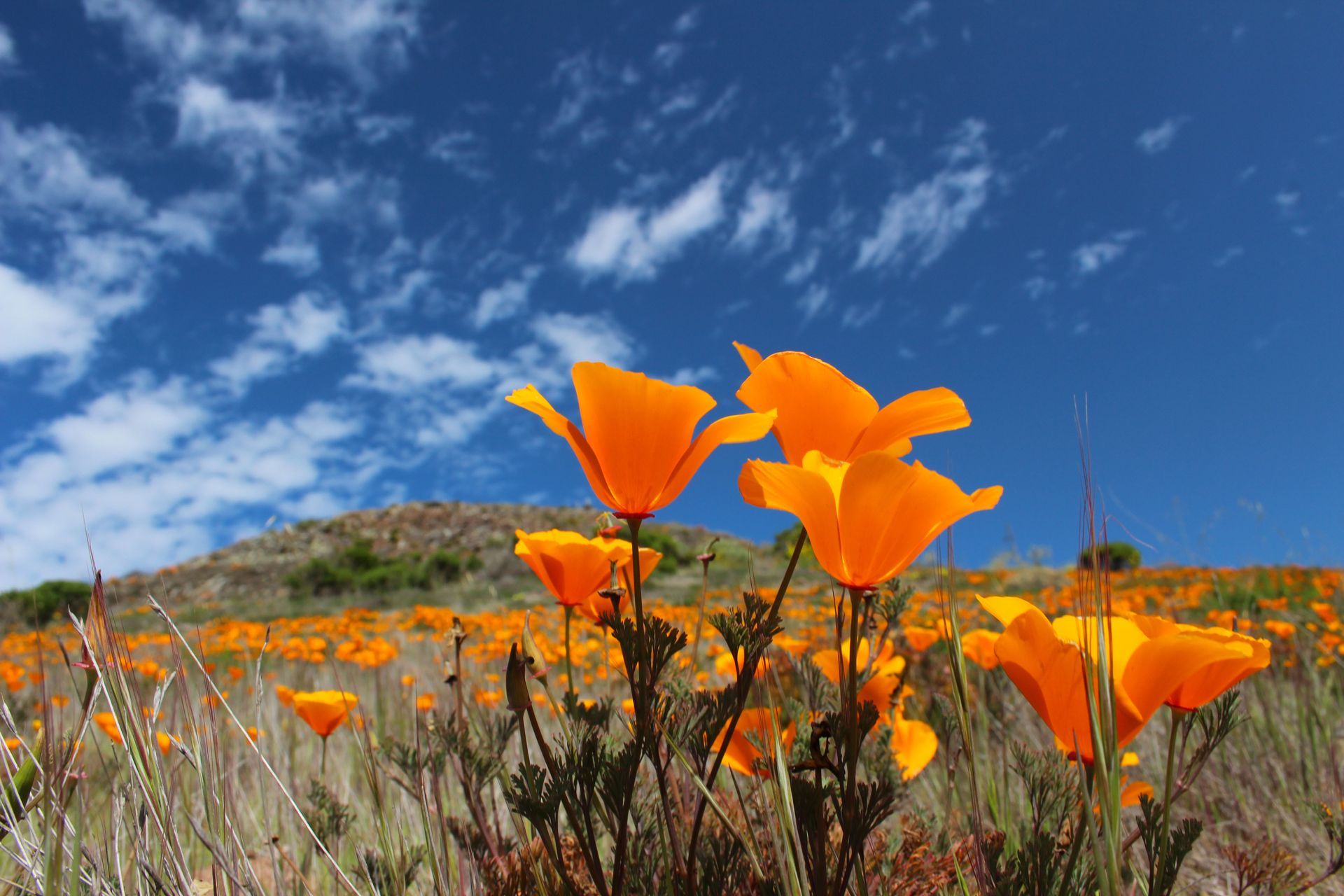
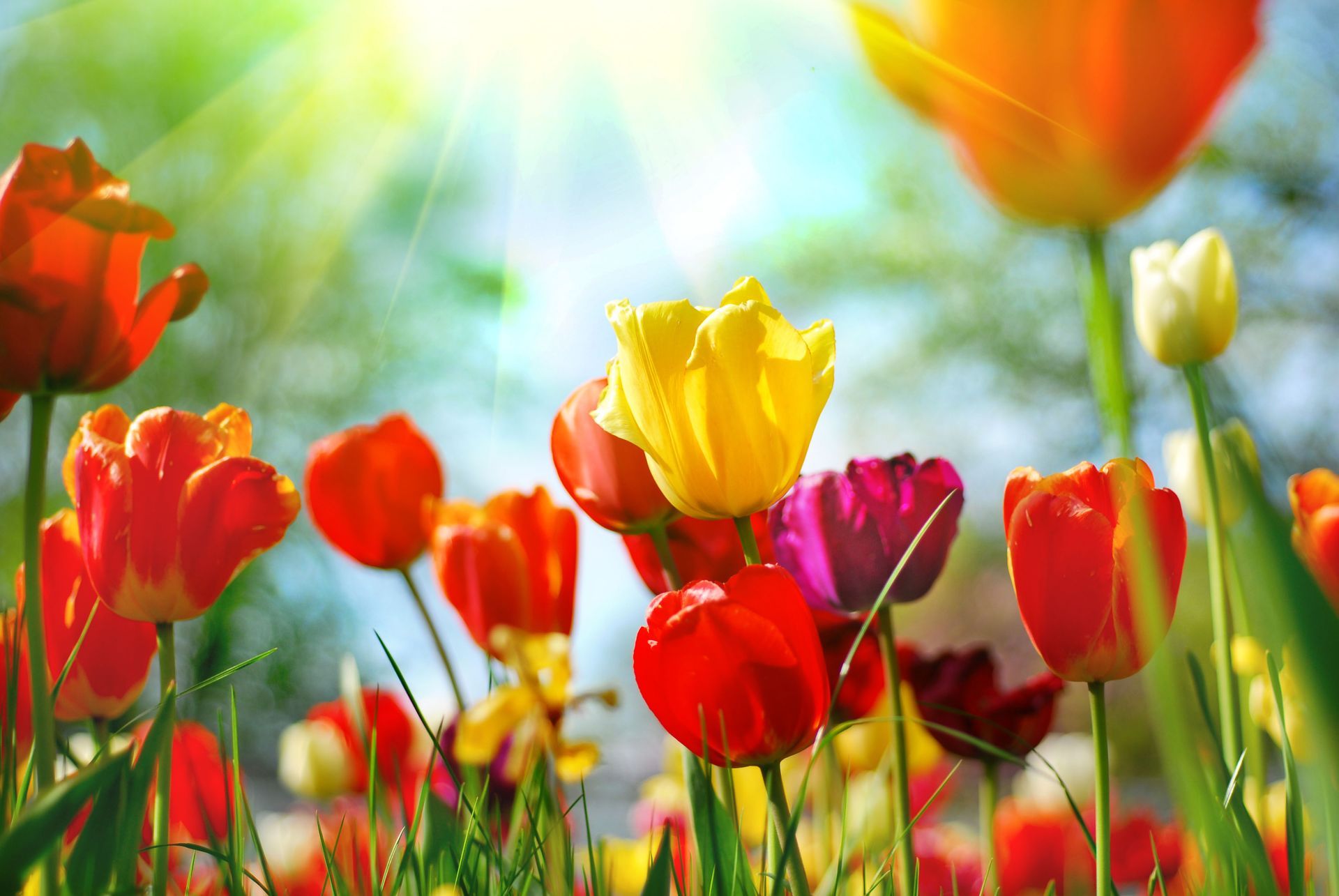
One of the most immediate benefits of planting wildflower seeds is the explosion of color they provide. Wildflowers come in a diverse range of hues, from bright yellows and oranges to soft purples, pinks, blues, and whites. When planted in clusters or scattered across a bed, they create a layered tapestry of blooms that feels dynamic and alive.
Unlike uniform flower beds that may rely on one or two varieties, wildflower mixes often contain multiple species that bloom at different times. This staggered flowering schedule ensures continuous visual interest throughout the spring and into summer. The result is a garden that evolves naturally, offering new colors and combinations as the weeks pass.
Beyond their variety, wildflowers introduce depth and dimension that structured plantings sometimes lack. Taller varieties rise above low-growing blooms, while delicate petals contrast with bold, textured foliage. This layering effect gives your garden a more organic and visually engaging appearance.
Wildflower seeds also allow you to experiment creatively without committing to a single aesthetic. You can choose mixes designed for soft pastel palettes, bold prairie-inspired tones, or even native varieties specific to your region. This flexibility makes it easy to customize your garden’s personality while still maintaining a cohesive look. As sunlight shifts throughout the day, different colors catch the light in unique ways, creating subtle changes that keep your landscape interesting from morning until evening.
In addition, the natural movement of wildflowers in the breeze enhances their visual impact. Stems sway gently, petals flutter, and blooms tilt toward the sun, adding a sense of motion that static plantings cannot replicate. This living display brings energy to your outdoor space and encourages you to spend more time enjoying it.
2. Support Essential Pollinators
Pollinators such as bees, butterflies, and hummingbirds play a vital role in maintaining healthy ecosystems. By planting a diverse mix of flowering plants, you create a welcoming habitat that provides nectar and pollen for these beneficial visitors. Many wildflower varieties are especially attractive to pollinators because they are native or well adapted to local conditions.
A pollinator-friendly garden does more than support wildlife. It also benefits surrounding plants, including vegetables and fruit trees, by encouraging effective pollination. The presence of bees and butterflies adds movement and life to your garden, turning it into an interactive and thriving outdoor space.
In recent years, pollinator populations have faced increasing challenges due to habitat loss and environmental changes. Introducing flowering varieties into your garden helps restore some of the natural food sources these species rely on. Even a small patch of wildflowers can serve as a valuable refuge, offering consistent nourishment throughout the growing season.
Wildflowers often bloom in succession, which means pollinators can find food from early spring through late summer. This steady supply of nectar and pollen is essential for sustaining bee colonies and supporting butterfly life cycles. By choosing diverse wildflower varieties, you encourage a broader range of pollinating species to visit your yard.
Beyond their ecological value, pollinators also enhance the overall experience of your garden. Watching butterflies flutter between blooms or hearing the gentle hum of bees creates a peaceful and lively atmosphere. Planting thoughtfully selected flowers allows you to play a meaningful role in supporting biodiversity while enjoying a more vibrant and animated outdoor space.
3. Require Less Maintenance
Busy homeowners often hesitate to add elaborate flower beds due to concerns about watering, fertilizing, and ongoing upkeep. Fortunately, these hardy flowering plants are known for adapting well to their environment. Once established, wide varieties require minimal watering and fertilization compared to traditional ornamental plants.
Because wildflowers are typically more resilient, they are also less prone to disease and pest issues. This means fewer chemicals and less intervention are needed to maintain their health. Over time, you can enjoy a beautiful garden without committing to constant maintenance.
4. Improve Soil Health Naturally
Wildflowers do more than beautify your garden; they can also enhance soil structure and fertility. Many species develop deep root systems that help break up compacted soil and improve drainage. These roots also contribute organic matter as they grow and decompose, enriching the soil over time.
When you plant wildflower seeds, you encourage biodiversity below the surface as well. Healthy soil supports beneficial microorganisms and earthworms, which further improve nutrient availability. The result is a stronger foundation for future plantings and a more balanced garden ecosystem overall.
5. Adapt to a Variety of Spaces
Whether you have a large open yard or a small patch of land, wildflowers are remarkably adaptable. They can be planted along pathways, in raised beds, across slopes, or in open meadow-style areas. Their flexibility makes them ideal for filling awkward spaces that might otherwise be difficult to landscape.
For larger areas, proper seeding rates help ensure even coverage and healthy growth. According to The Spruce, use four pounds of wildflower seed per acre or four ounces per 2,500 square feet. Following recommended guidelines like this helps you achieve a balanced display without overcrowding or sparse growth.
6. Promote Environmental Sustainability
Choosing wildflower seeds supports a more sustainable approach to gardening. Many wildflowers thrive without heavy irrigation or synthetic fertilizers, reducing water use and chemical runoff. This makes them an environmentally responsible choice for homeowners seeking to minimize their ecological footprint.
Wildflower gardens can also reduce the need for frequent mowing, especially when planted in larger meadow-style areas. Allowing flowers to grow and reseed naturally encourages long-term sustainability while lowering maintenance costs and effort. Over time, your garden becomes more self-sustaining and resilient.
7. Create a Unique, Ever-Changing Landscape
Perhaps the most enchanting quality of wildflowers is their unpredictability. Unlike meticulously arranged flower beds, wildflower gardens have a spontaneous charm. Different species emerge at varying heights and bloom times, creating layers of texture and motion.
Each season may look slightly different depending on weather patterns and natural reseeding. This evolving landscape keeps your garden feeling fresh and inspiring year after year. By planting a diverse mix of flowering varieties, you invite a sense of natural artistry into your outdoor space, allowing it to grow in a way that feels both curated and organic.
Spring offers an ideal opportunity to reimagine your garden with color, vitality, and purpose. From attracting pollinators and improving soil health to reducing maintenance and supporting sustainability, these versatile blooms deliver a wide range of benefits. Their adaptability allows them to flourish in various settings, while their diverse flowers create a dynamic display that changes throughout the season.
Whether you are cultivating a backyard retreat or enhancing a larger landscape, wildflowers provide beauty that feels effortless and authentic. If you are ready to bring vibrant growth and lasting impact to your outdoor space this spring, contact The Chas. C. Hart Seed Co to find the perfect selection of wildflower seeds for your garden today.

Share On: