
How Much Sun Does Your Garden Really Need?
Every successful garden starts with a question most people skip: how much sunlight does this space actually get? It's tempting to pick plants based on color or bloom time and hope for the best, but light exposure determines whether your garden thrives or struggles from day one. Understanding your yard's sun patterns isn't just a nice-to-have—it's the foundation that everything else builds on, from soil prep to plant selection to long-term maintenance.
Too many gardeners find this out the hard way, watching sun-loving tomatoes stretch and pale in too much shade, or watching hostas scorch under unexpected afternoon light. The good news is that figuring out your garden's real sun exposure is straightforward once you know what to look for. This guide walks through how to assess your light conditions, match them to the right plants, and set your garden up for a season of steady, healthy growth.
Understanding Your Garden's Light Levels
Before buying a single seed packet, spend a few days simply watching your garden space. Note when direct sunlight hits each area and when it falls into shadow. Most plant tags and seed packets categorize light needs into a few standard tiers: full sun, partial sun or partial shade, and full shade. These aren't arbitrary labels—they reflect real physiological needs tied to photosynthesis and growth rate.
A garden center can be an excellent resource during this assessment phase, since staff there often have hyperlocal knowledge of how light behaves in your specific climate and season. Bringing a rough sketch of your yard, along with notes on sun exposure by time of day, gives garden center staff enough detail to offer genuinely useful recommendations rather than generic advice.
Recognizing Full Sun Requirements
Full sun means at least six hours of direct, unobstructed sunlight daily, though many high-yield vegetables and flowering annuals actually prefer eight or more. Tomatoes, peppers, squash, and most culinary herbs fall into this category, as do classic garden flowers like zinnias, marigolds, and sunflowers.
If your space checks this box, you're working with some of the most flexible growing conditions available, since the majority of popular vegetables and ornamentals are bred for full-sun performance. The tradeoff is that full-sun gardens also dry out faster, so consistent watering becomes non-negotiable. A reputable garden center can help you select drought-tolerant varieties or mulching materials suited to intense light exposure, which matters just as much as the light itself when it comes to plant survival.
Working With Partial Shade Conditions
Partial shade typically means three to six hours of direct sun, often filtered through tree cover or blocked during the harshest midday hours. This is one of the most common conditions in residential yards, particularly those with mature trees or homes that cast long shadows.
Plants suited to partial shade include leafy greens like lettuce and spinach, along with shade-tolerant flowers such as astilbe, bleeding heart, and many hydrangea varieties. The challenge with partial shade is that "partial" covers a wide range, so two gardens both labeled partial shade might behave quite differently depending on when the sun exposure occurs. Morning sun followed by afternoon shade tends to be gentler on plants than the reverse, since afternoon light is typically more intense. A knowledgeable garden center can help you translate your specific light pattern into a plant list that will actually perform, rather than relying on generic partial-shade labeling.
Growing Successfully in Full Shade
Full shade means less than three hours of direct sun, often with dappled or indirect light throughout the day. This isn't a lost cause for gardeners—it's simply a different set of opportunities. Ferns, hostas, astilbe, and many native woodland plants are specifically adapted to low-light environments and can create a lush, textured garden without a single hour of harsh sun.
The key to success in full shade is managing expectations around bloom and yield. Vegetables generally won't produce well here, but foliage plants and shade-loving perennials can create striking visual interest year after year. Staff at a well-stocked garden center can point you toward varieties bred specifically for low-light performance, since not all "shade tolerant" plants are created equal.
Testing and Tracking Sunlight Patterns
If you're unsure exactly how much sun a space gets, a simple sun-mapping exercise removes the guesswork. Check the space every hour during daylight over the course of a clear day, noting whether it's in direct sun, dappled light, or shade. Repeat this in early summer and again in early fall, since the sun's angle shifts significantly between seasons and can dramatically change how much light a given spot receives.
This kind of tracking is especially useful for new homeowners or anyone gardening in an unfamiliar yard for the first time. It takes the guesswork out of plant selection and prevents the frustration of watching expensive plants fail simply because they were placed in the wrong spot. Many gardeners bring their sun-mapping notes directly to a garden center, where staff can cross-reference the data against specific plant varieties.
Choosing Plants to Match Your Light
Once you know your garden's actual light profile, plant selection becomes far more precise. Seed packets and plant tags almost always list light requirements clearly, but it helps to understand the reasoning behind those labels rather than just following them blindly. Sun requirements are tied directly to a plant's native habitat and its evolved strategy for capturing energy, so matching your garden's conditions to a plant's natural preferences sets it up to thrive rather than merely survive.
This is also where sourcing matters. Seeds and starts purchased from a reputable garden center tend to come with more accurate, region-specific labeling than mass-market alternatives, since local garden centers often curate their inventory based on regional climate data. That accuracy translates directly into better outcomes, since a plant mislabeled for light tolerance can struggle no matter how well you tend it.
Adjusting for Seasonal Sun Changes
Sunlight isn't static throughout the year, and a spot that gets full sun in June might fall into partial shade by September as the sun's angle lowers and deciduous trees fill in with leaves. Gardeners who plan around a single season's light reading often find their assumptions don't hold up months later.
Building in some flexibility—through container gardening, succession planting, or simply choosing adaptable varieties—helps account for this natural shift. It's also worth noting that garden centers frequently update their plant recommendations seasonally, which makes a spring visit to a garden center a genuinely different experience from a late-summer one in terms of what's recommended and available.
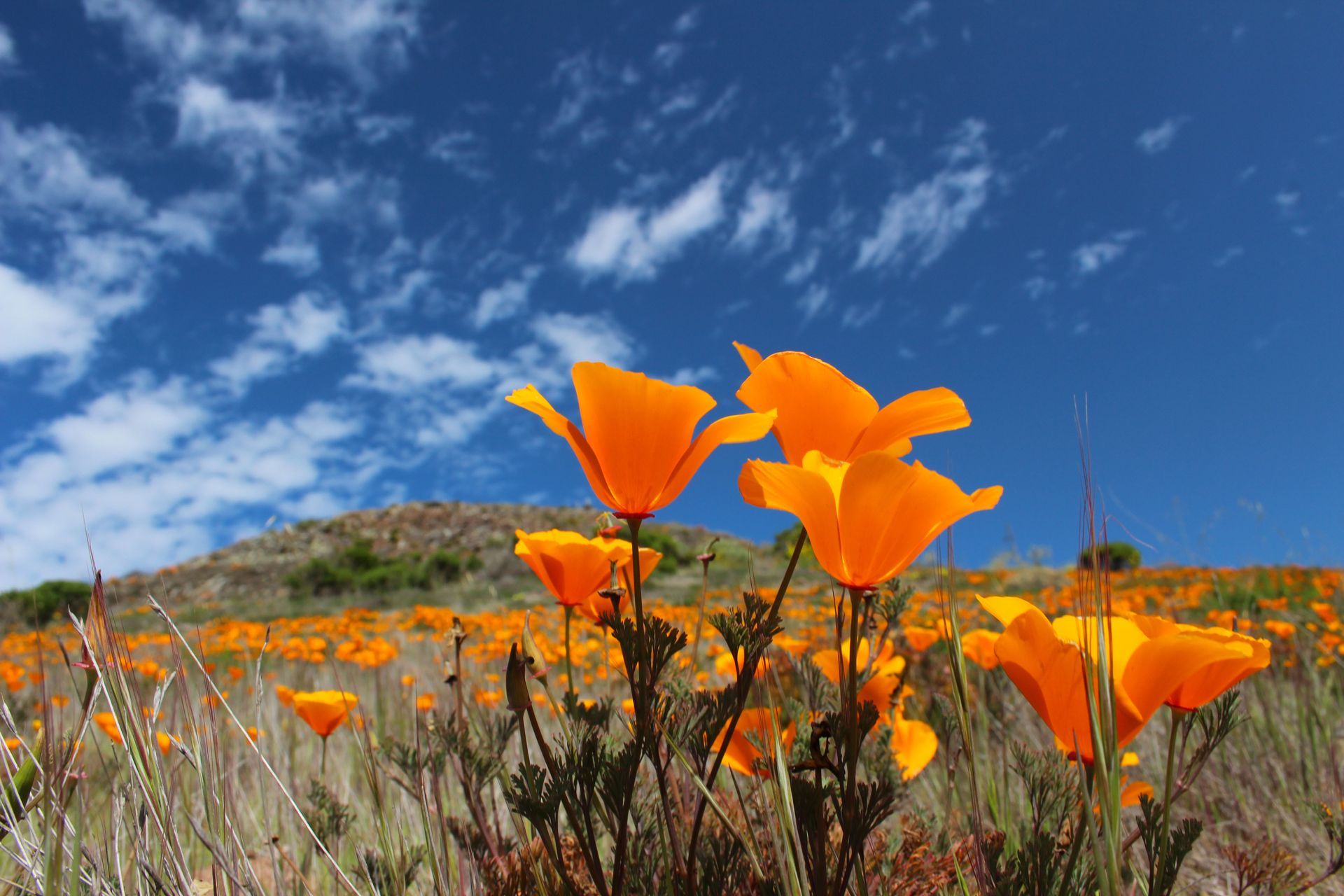
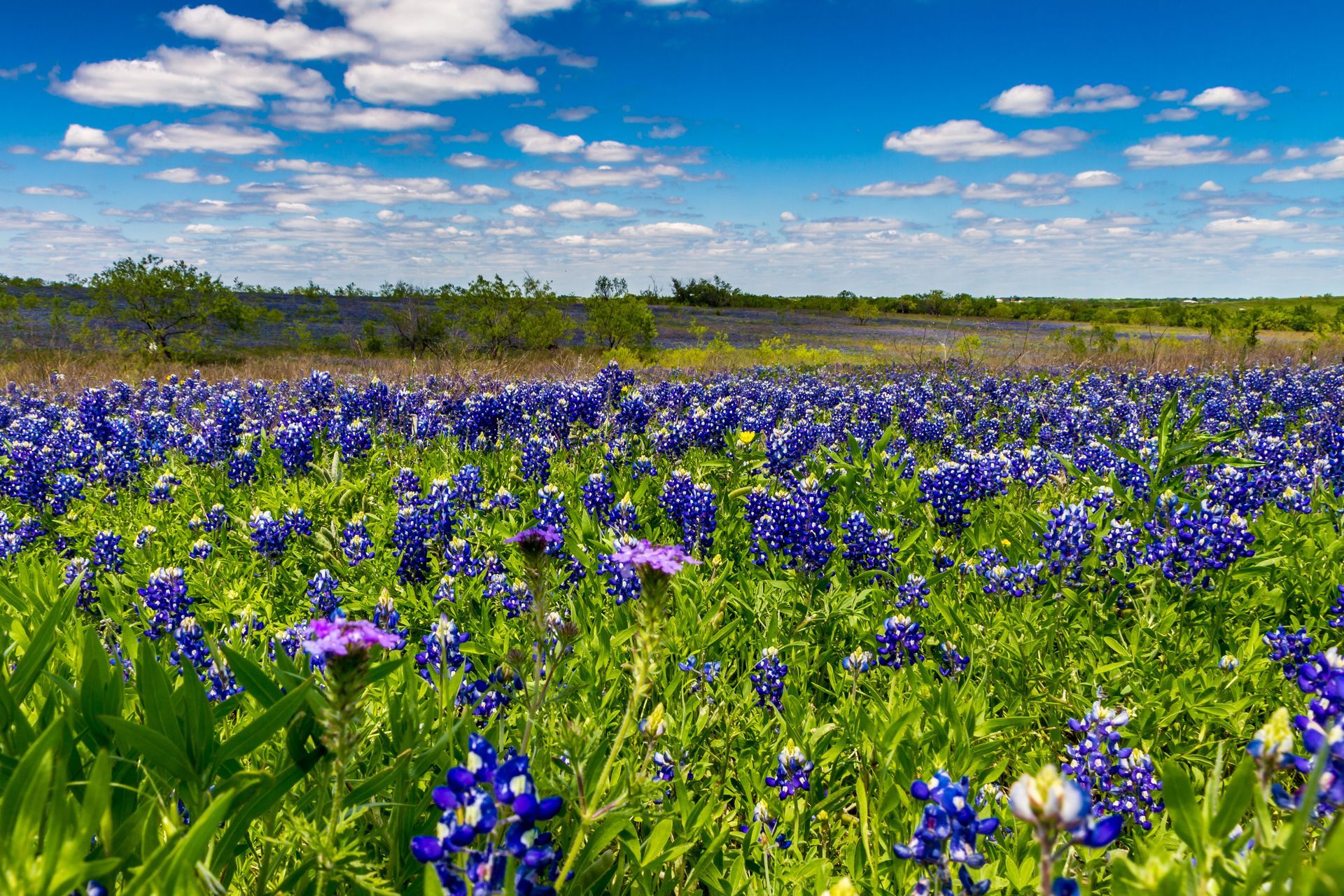
There's also a broader environmental case for thoughtful garden planning. According to What Is Green Living, research has shown that green spaces such as wildflower gardens can cut airborne pollutants by as much as 30%, which means a well-planned garden does more than beautify a yard—it contributes measurably to cleaner air in the surrounding area.
Getting your garden's sun exposure right is less about perfection and more about observation. Take the time to watch how light moves across your space, match your plant choices to what you actually have rather than what you wish you had, and stay open to adjusting as seasons shift. A garden built on accurate light data is a garden set up for years of steady, low-frustration growth.
Ready to put this knowledge into action? We'd love to help. At The Chas. C. Hart Seed Co, we've been supplying home gardeners with reliable, regionally suited seeds for generations, and our team is happy to help you choose varieties that match your garden's real sun conditions. Browse our seed selection today and start planting with confidence.

Share On: