Pollinator-Friendly Gardening: Wildflower Seeds That Attract Bees and Butterflies
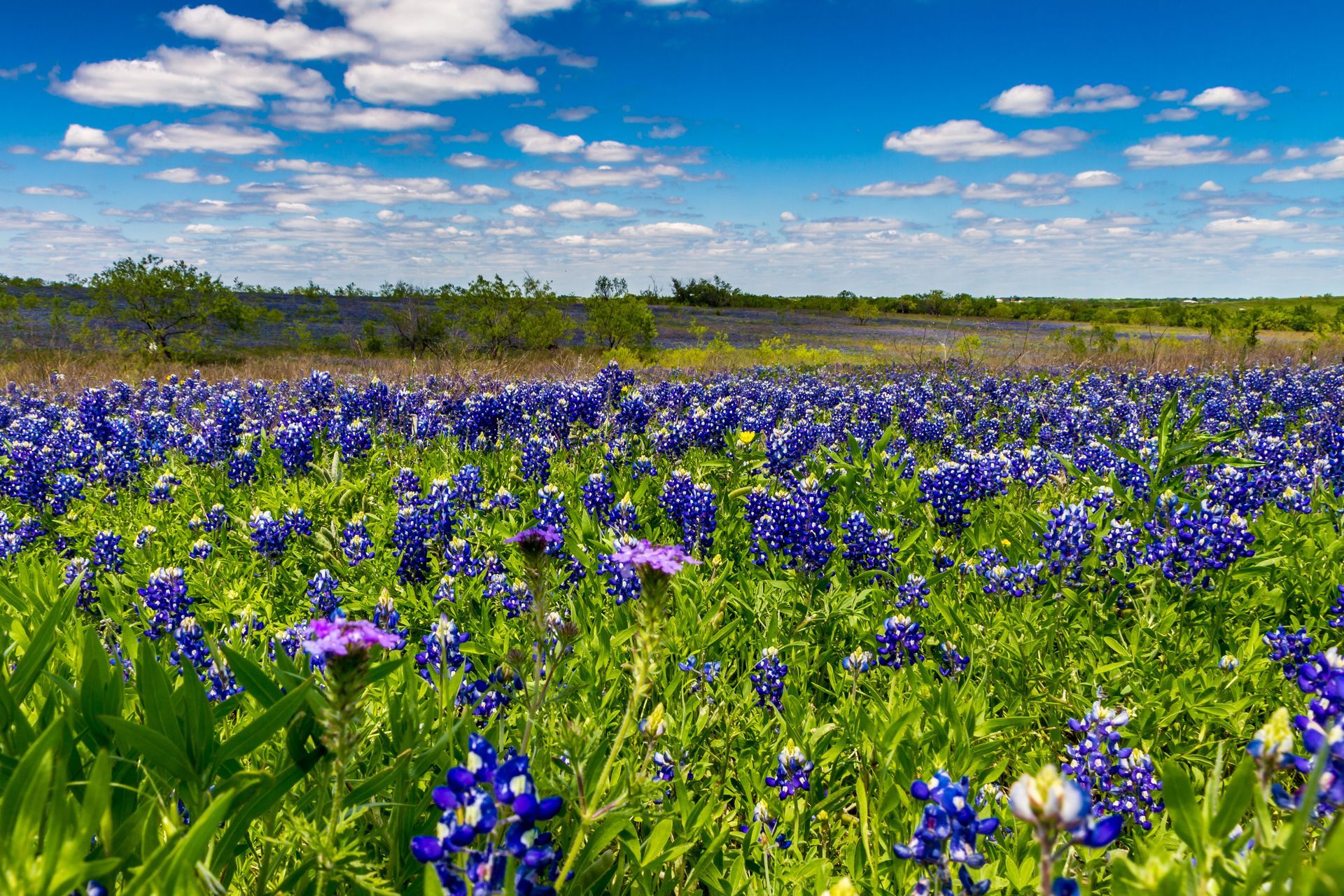
Pollinator-friendly gardening isn't just a trend but a vital practice that supports environmental sustainability and biodiversity. Wildflowers are an essential component of this approach, offering nectar and pollen sources to pollinators like bees and butterflies. By cultivating gardens rich in wildflowers, we can help bolster declining pollinator populations and contribute positively to ecosystem health. Let's explore wildflower seed selection, planting techniques, garden design, and sustainability practices for lush, pollinator-attracting gardens.
Understanding the Role of Pollinators
Importance of Bees in Pollination
Bees are among the most critical pollinators, responsible for pollinating approximately one-third of the food we consume daily. They facilitate the reproduction of essential crops and enable genetic diversity among plant species. Without bees, we risk losing not only fruits and vegetables but also the biodiversity needed to support healthy ecosystems.
Bees are uniquely efficient at this task because of their physical adaptations, such as hairy bodies that trap pollen and specialized behaviors like flower fidelity. This means they consistently visit the same species of flower during each foraging trip, effectively transferring pollen. Such traits make bees indispensable partners in the process of pollination, driving both agricultural and wild plant growth.
Butterflies as Pollinators
While bees often take center stage in pollination discussions, butterflies also play a supportive role, particularly for certain flowering plants. Butterflies contribute by transferring pollen as they probe flowers for nectar, aided by their long proboscis, which reaches into tubular flowers. They primarily favor brightly colored and fragrant flowers, which enriches garden biodiversity.
Benefits of Diverse Pollinator Populations
The presence of diverse pollinator species enhances ecosystem services by increasing plant pollination efficacy and reliability. Different pollinators possess unique foraging behaviors and preferences, ensuring a wide range of plants are pollinated effectively. This biodiversity in pollinator communities ultimately results in more resilient plant populations.
Pollinator Contribution to Biodiversity
Pollinators, through their activity, foster rich biodiversity which is fundamental to healthy ecosystems. By facilitating plant reproduction, they ensure the perpetuation of plant diversity, forming a crucial part of natural selection and evolution processes. This plant diversity then supports diverse animal communities, forming an interconnected web of life.
Choosing the Right Wildflower Seeds
Native vs. Non-native Seed Varieties
When planning a pollinator-friendly garden, selecting the appropriate wildflower seeds is crucial. Native seed varieties are generally preferred for attracting local pollinators because they have co-evolved with native fauna. This evolutionary relationship ensures native plants are well-suited to local climatic and soil conditions, providing the resources pollinators need.
On the other hand, non-native wildflower varieties, while sometimes beneficial, may not offer the same ecological advantages. They might not provide the preferred nectar or pollen types for local pollinator species. In some cases, they can become invasive, threatening local plant communities and the pollinators that rely on them.
Top Wildflower Varieties for Bees
There are specific wildflowers known for their ability to attract bees, offering an abundant food source throughout blooming seasons. Plants like lavender, borage, and sunflowers are rich in nectar, making them attractive choices for bees. These hardy varieties bloom at different times, providing continuous foraging opportunities.
Moreover, wildflowers such as California poppies and goldenrod are excellent in drawing bees by offering both visual allure and essential pollen. Such diversity in planting not only supports bee health but also increases the aesthetic appeal of garden spaces. By integrating a range of bee-friendly wildflowers, gardeners can ensure robust bee traffic, which is vital for garden health.
According to The Spruce, using four pounds of wildflower seed per acre or four ounces per 2,500 square feet will yield optimal coverage. This density ensures that the garden attracts a substantial number of bees by maximizing the floral display. Consequently, the right selection of wildflowers lays the foundation for thriving pollinator ecosystems.
Top Wildflower Varieties for Butterflies
Butterflies are drawn to wildflowers with bright colors and accessible nectar supplies. Plant options like milkweed, which serves as a crucial host for monarch caterpillars, are pivotal for attracting and supporting butterflies. Additionally, asters and black-eyed Susans provide rich nectar sources and flamboyant visuals.
Butterflies particularly favor composite flowers where nectar is easily accessible, and offering a mix of these types can lead to sustained butterfly presence. Wildflowers like ironweed are also effective, thriving in moist conditions and attracting numerous butterfly species. Planting a diverse array ensures constant visitor interest and supports various butterfly life stages.
Mixing Seed Varieties for Maximum Impact
A well-considered mixture of wildflower seeds can achieve maximal ecological and aesthetic impact in a garden. By combining native species with complementary non-native plants, gardeners can enhance overall floral diversity and resource availability. This strategic selection ensures that different pollinators are able to find their preferred plants and are supported throughout flowering seasons.
Carefully balancing early, mid, and late-blooming species guarantees continual attraction and support for pollinators from spring through fall. Using a seed mix designed to thrive in specific garden conditions can result in a self-sustaining floral community. Such planning considers factors like sunlight availability, soil moisture, and microclimate conditions.
Purchasing Quality Seeds
Secure sourcing of quality wildflower seeds is vital for successful pollinator garden establishment. Many specialized nurseries and online suppliers offer seeds specifically designed for attracting pollinators like bees and butterflies. Choosing vendors who specialize in native seed species typically ensures compatibility with local growing conditions.
Transparency from suppliers about seed origins and germination rates indicates reliability and promotes successful planting efforts. Many experts recommend sourcing from local conservation groups or organizations focusing on ecological design, as they often provide seeds tailored to native ecosystems. Supporting these organizations furthers conservation efforts and ensures seed quality.
Planting Techniques for a Pollinator-Friendly Garden
Soil Preparation for Wildflower Growth
Proper soil preparation is critical to establishing a thriving wildflower garden. Assessing and amending soil pH and fertility ensures optimal growing conditions for wildflower seeds. We've found that wildflowers prefer well-drained soil with a pH range of 6.0 to 7.0, which facilitates root growth and nutrient uptake.
Prior to planting, clearing the area of weeds and debris helps reduce competition for resources and space. Using organic compost enriches the soil structure and provides essential nutrients needed for seed germination and plant growth. Ensuring the site is free from synthetic chemicals and pesticides supports healthy plant and pollinator interaction.
Best Planting Seasons and Conditions
Timing your planting to coincide with optimal seasonal conditions can significantly bolster wildflower success. For most regions, seeds planted in late fall or early spring take advantage of natural cycles of rainfall and temperature shifts. This timing helps seeds undergo necessary stratification processes during colder months.
Spring planting capitalizes on increasing temperatures and longer daylight hours, boosting germination and growth rates. Alternatively, fall planting allows seeds to overwinter, emerging with natural vigor when conditions become favorable in spring. Matching planting times with seasonal conditions can bridge gaps in flowering availability for pollinators.
Irrigation and Maintenance Tips
Maintaining moisture levels in the garden is essential for seeding success, especially during early growth phases. New seedlings require consistent watering to develop strong root systems and withstand environmental pressures. An irrigation schedule of gentle, frequent watering helps establish strong plant foundations.
Companion Planting for Enhanced Pollination
Companion planting involves strategically growing plant species together to promote enhanced growth and yield outcomes. Grouping plants that flower at varying times or require different resources can create a more balanced ecosystem and support continuous pollinator presence. These practices make gardens more resilient to pest pressures and environmental fluctuations.
By thoughtfully selecting seed varieties, preparing the soil, and aligning planting techniques with natural cycles, you transform a simple patch of land into a vital sanctuary for bees and butterflies. Cultivating a pollinator-friendly garden does far more than just elevate the beauty of your outdoor space; it actively restores native ecosystems, combats habitat loss, and bolsters local biodiversity. Planting wildflowers helps build a resilient biological network, ensuring that our essential pollinators continue to thrive for seasons to come. To learn more, reach out to the experts at The Chas. C. Hart Seed Co today!

Share On: