
How to Start a Garden: 5 Essential Steps
Starting a garden is a rewarding endeavor that transforms outdoor areas into beautiful, functional spaces. Cultivating plants provides fresh produce, beautiful flowers, and an engaging way to connect with the natural world. Developing a green space requires careful thought, but breaking the process down into manageable phases makes it achievable for anyone. By establishing a solid foundation, you ensure long-term success and a more resilient planting environment.
Beyond the tangible rewards of fresh food and vibrant blossoms, working in the soil offers profound lifestyle benefits. Tending to plants regularly serves as an excellent form of physical exercise and mental relaxation. According to the BBC, a study showed that people who gardened every day had a 36% lower risk of developing dementia compared to those who did not garden. Embracing this hobby enhances daily routines while fostering a deep sense of personal accomplishment.
Planning Your Layout
Every successful landscape begins with careful preparation and design. A primary consideration is evaluating the unique conditions of your yard, including sunlight patterns, wind exposure, and proximity to a water source. Most vegetables and flowering annuals require six to eight hours of direct sunlight daily to thrive. Mapping these factors ahead of time prevents the frustration of placing sun-loving varieties in deep shade. Creating a simple sketch of your intended layout can also help maximize available space and improve accessibility for watering and maintenance tasks.
Another crucial element of the early phase involves identifying your local climate zone. The USDA Plant Hardiness Zone Map serves as an invaluable reference tool, categorizing regions based on average minimum winter temperatures. Choosing varieties native to or proven to survive in your specific zone ensures that your selections survive seasonal shifts. Aligning your goals with regional realities creates a sustainable foundation for growth.
Visiting a local garden center provides excellent insight into which varieties naturally flourish in your immediate geographic area. Speaking with experienced staff allows you to identify regional pests, optimal planting dates, and highly resilient local species. Gathering this localized knowledge early prevents costly mistakes and sets realistic expectations for your first growing season. These conversations can also introduce you to companion planting strategies that improve productivity and naturally deter pests.
Preparing Soil Spaces
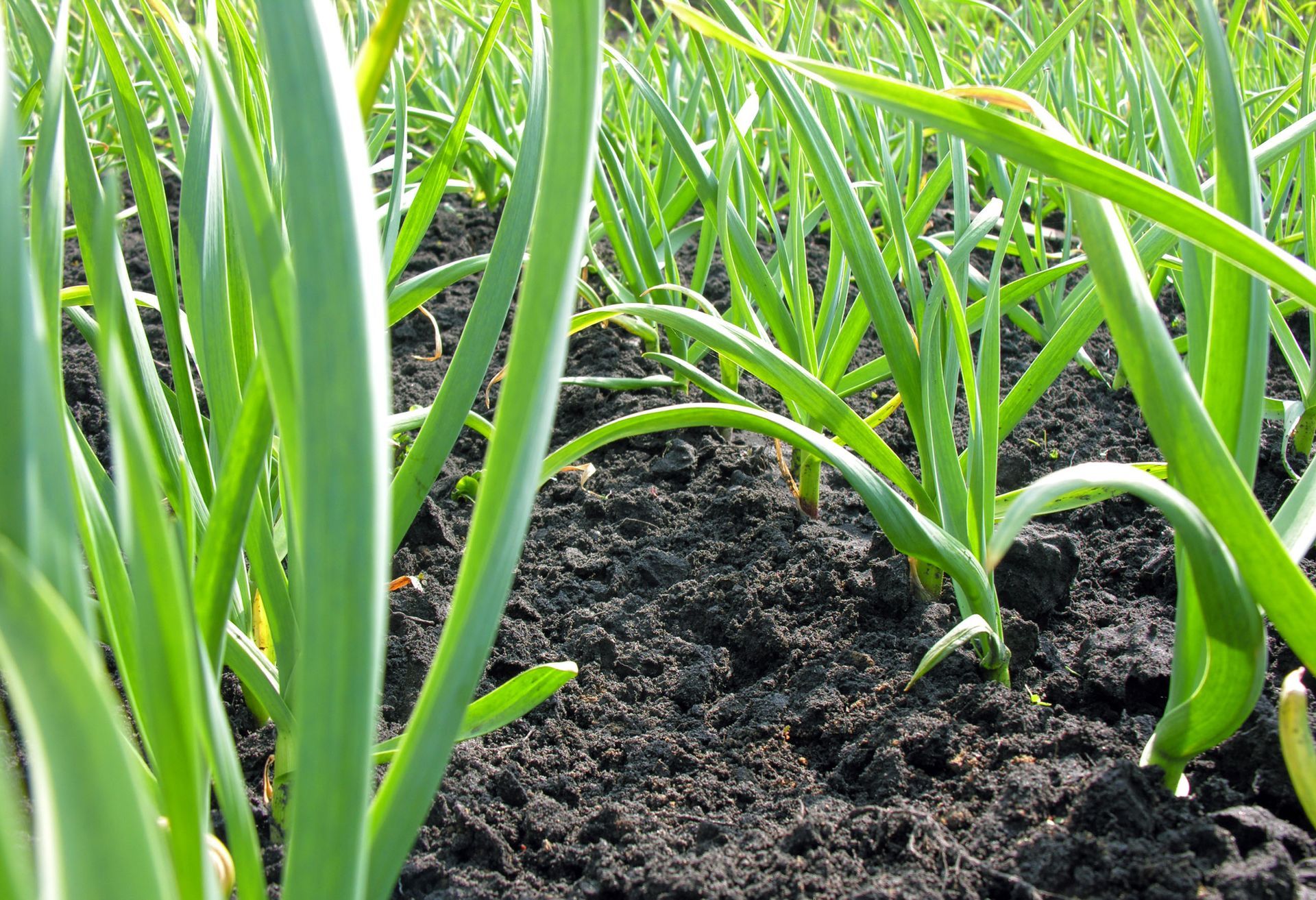
The foundation of any healthy ecosystem rests entirely within the quality of the dirt beneath. Clearing the designated area of existing weeds, grass, and debris is the first step in creating a clean canvas. Removing invasive root systems prevents aggressive wild growth from choking out newly introduced varieties and competing for vital underground resources.
Once the area is clear, testing the earth reveals its pH level, nutrient composition, and texture. Sandy textures drain too quickly, while heavy clay traps moisture and suffocates roots. Amending the ground with rich organic matter, like compost or aged manure, balances these extremes by improving drainage in clay and boosting water retention in sand. Regular soil improvement efforts often result in stronger plants and greater resistance to environmental stress.
Establishing proper underground structure involves incorporating these materials deeply into the top several inches of the bed. Loosening dense earth with a spade or tiller allows delicate root microscopic fibers to expand without resistance. This physical aeration ensures that vital oxygen, moisture, and beneficial microbes flow freely throughout the underlying root zone.
Sourcing Quality Plants
Selecting the right varieties involves understanding the fundamental differences between annuals, perennials, and biennials. Annuals complete their entire life cycle in a single season, offering fast, vibrant color but requiring replacement every spring. Perennials return year after year, establishing deep root networks that form the permanent structural backbone of your landscape designs.
Acquiring strong stock is critical whether you decide to start directly from seed or purchase established seedlings. Healthy seedlings should display sturdy stems, vibrant green foliage, and zero signs of pests or structural wilting. Examining the root systems to ensure they are not tightly bound or circling the pot indicates a healthy specimen ready for transition. Taking the time to select vigorous plants can dramatically improve establishment rates and overall garden performance.
A reputable garden center remains the best resource for acquiring top-tier seeds, certified organic starters, and reliable tools. Inspecting regional selections firsthand allows you to pick the strongest individual specimens available. Relying on professional suppliers guarantees that your investments possess the genetic strength required to withstand environmental stressors.
Executing Proper Planting
Timing your introduction to the outdoors determines how quickly root structures adapt to their new environment. Planting too early exposes fragile tissue to late-season frosts, while waiting too long subjects young roots to intense summer heat waves. Tracking local frost dates ensures that your species enter the ground during optimal atmospheric conditions. Monitoring weather forecasts during the first few weeks after planting can further protect vulnerable specimens from unexpected temperature swings.
Proper depth and spatial configuration prevent overcrowding and minimize future maintenance challenges. Digging a hole twice as wide as the root ball allows tender new roots to spread effortlessly into the surrounding earth. Gentle firming gets rid of air pockets around the base, while immediate, deep hydration settles the earth and reduces transplant shock.
Consulting the experts at a garden center helps clarify the precise depth and spacing specifications for complex or unique varieties. Maintaining adequate distance between mature specimens optimizes air circulation, which naturally lowers the risk of fungal outbreaks. Providing each item with ample breathing room ensures maximum nutrient absorption throughout the life cycle.
Nurturing Ongoing Growth
Consistent, targeted hydration is vital for sustaining a thriving outdoor environment over time. Watering deeply but less frequently encourages roots to push further downward in search of moisture, creating highly drought-tolerant root networks. Applying water early in the morning reduces evaporation rates and allows foliage to dry completely before nightfall. Adding a layer of mulch around plants can further conserve moisture and suppress unwanted weed growth.
Regular maintenance routines must also include strategic nutrient replenishment and physical pruning. Applying balanced fertilizers during peak growing phases replaces lost soil nutrients, fueling robust fruit and flower production. Removing dead, diseased, or broken stems via clean pruning methods prevents disease spread and directs energy toward fresh growth. Periodic inspections allow gardeners to identify pest problems before they become widespread infestations.
Maintaining a relationship with a trusted garden center provides continuous access to the seasonal fertilizers, pest solutions, and specialized tools needed as your landscape matures. Observing subtle changes in foliage color or overall vigor allows you to adjust care routines quickly. Dedicated attention ensures your green space remains vibrant, productive, and beautiful all year long.
Cultivating a personal green space is an ongoing journey of learning, adaptation, and joyful discovery. As seasons change, your skills will naturally sharpen, turning initial challenges into rewarding successes. The patience invested in preparing soil, selecting varieties, and maintaining growth culminates in a beautiful sanctuary that supports local biodiversity and personal wellness.
Whether you are selecting the perfect heirloom seeds for your backyard plot, sourcing premium bulk supplies for a larger agricultural venture, or simply seeking expert guidance on soil preparation and regional planting schedules, our knowledgeable specialists are always here to help. Let our generations of experience guide your next growing season toward absolute success. For more information about the services that we offer, reach out to our incredible team at The Chas. C. Hart Seed Co. today!




Share On: