
Companion Planting 101: Which Vegetables Grow Well Together
Starting a garden from scratch can feel like a daunting task, but understanding how plants interact with each other makes the entire process infinitely more rewarding. Companion planting is an age-old gardening technique where different crops are planted close to one another to maximize growth, deter pests, and improve overall flavor. When you select your vegetable seeds for the upcoming season, considering which plants will share the same soil can mean the difference between a lackluster harvest and an abundant bounty. Nature has its own intricate web of relationships, and by mimicking these natural partnerships in our own garden beds, we create a thriving ecosystem. Rather than isolating crops in solitary rows, intermingling them allows plants to support each other structurally and nutritionally, mimicking the wild environments where they originated. Learning the secrets of these botanical friendships is absolutely essential for any dedicated gardener looking to cultivate a flourishing patch of green in their backyard.
Pairing Tomatoes with Basil
When mapping out the summer garden, gardeners often envision vibrant red fruits ripening under the sun, and the best way to ensure their success is by introducing a leafy aromatic herb as a neighbor. Basil emits a strong scent that naturally repels pests like hornworms and mosquitoes, which are notorious for destroying tender foliage. By sowing basil and tomato vegetable seeds in the same garden bed, the roots share the earth without competing for surface nutrients. The herbal canopy provides a living mulch that shades the soil, retaining essential moisture during scorching summer afternoons.
Beyond pest control and moisture retention, many seasoned growers believe that growing these plants together enhances the flavor profile of the harvest. The aromatic oils produced by the herbs subtly influence the surrounding crops, resulting in much sweeter and more robust fruits. When preparing your plot, ensure that you space the vegetable seeds appropriately so both plants receive adequate sunlight and proper airflow. Proper spacing prevents fungal diseases while allowing the companion plants to reach their maximum genetic potential. The synergy between these species is profoundly effective and beautifully simple.
Planting Carrots with Onions
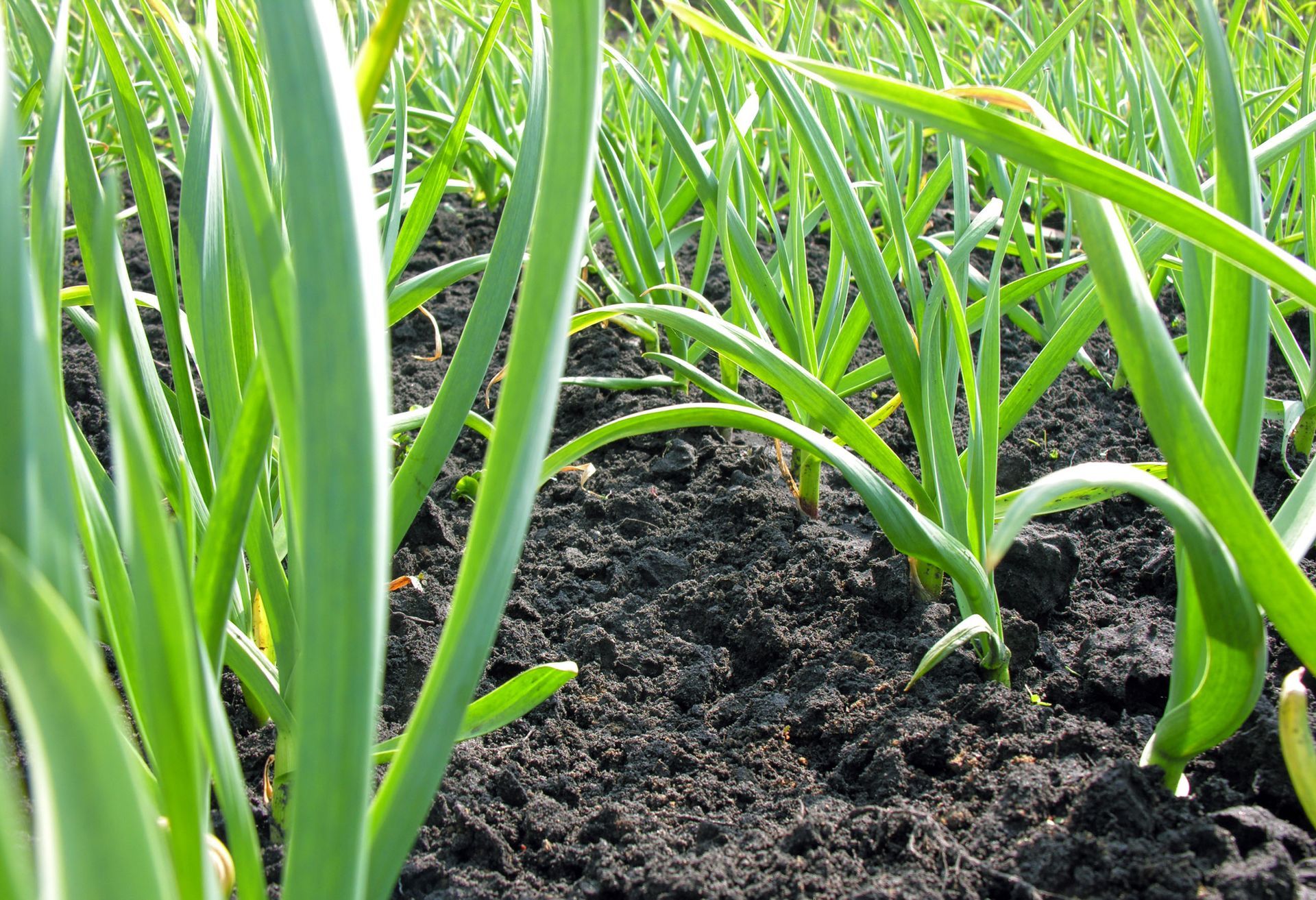
Underground crops often fall victim to pests that burrow through the soil, but strategic companion planting offers an elegant solution to this hidden threat. The carrot rust fly is a devastating insect that relies entirely on its sense of smell to locate its host. Introducing pungent alliums like onions into the same growing area creates an olfactory barrier that confuses these destructive insects. When you scatter your carrot vegetable seeds among sprouting onion bulbs, the strong scent effectively masks the sweet aroma of the developing root crop, keeping the harvest completely hidden.
The benefits of this particular partnership extend beyond insect deterrence, as their differing root depths allow them to coexist without significant competition for underground resources. Onions typically have shallow root systems that draw moisture from the top layer of soil, whereas carrots plunge deeply into the earth. This physical separation means that planting their vegetable seeds in close proximity maximizes the overall yield of a single garden bed. Furthermore, the slender foliage of the alliums casts very little shade, ensuring the feathery green tops receive ample sunlight for photosynthesis.
Sowing Spinach with Radishes
Early spring gardens thrive on fast-growing crops that can tolerate cooler temperatures, and pairing leafy greens with peppery root vegetables creates an incredibly productive dynamic. Radishes sprout exceptionally quickly and help break up compacted soil, paving the way for delicate roots to penetrate the earth with minimal resistance. According to the University of Maryland, spinach takes 28 to 55 days to reach full maturity. Because of this quick growth cycle, both crops can be harvested early in the season before the intense summer heat. Broadcasting their vegetable seeds together results in a dense carpet of edible foliage.
Another fascinating aspect of this combination is the way the faster-growing crop acts as a protective trap for leaf-mining insects that might otherwise decimate the tender greens. Pests are often drawn to the spicy foliage of the root crop, leaving the dark green leaves of the neighboring plants entirely untouched. While the damaged leaves of the trap crop might look unsightly, the edible root below ground remains perfectly intact and highly nutritious. When gardeners purchase their vegetable seeds for spring, combining these unique species ensures a bountiful harvest that practically defends itself.
Combining Squash with Corn
The tradition of growing climbing stalks alongside sprawling vines is deeply rooted in ancient agricultural practices and remains a highly effective companion planting strategy across the globe. Tall stalks serve as a robust, natural trellis for climbing vines, completely eliminating the need for artificial supports or wooden stakes. In return, the broad leaves of the sprawling vines cover the ground extensively, acting as a living mulch that suppresses aggressive weeds and locks in vital soil moisture. When selecting vegetable seeds for a large plot, planning for this integration creates a remarkably efficient use of available space.
This symbiotic arrangement also provides significant natural protection against various predators that frequent garden beds. The dense, bristly foliage covering the soil creates an incredibly uncomfortable barrier for raccoons and foraging animals attempting to reach the sweet harvest towering above. Additionally, the deep shade cast by the large leaves keeps the root zone cool and moist during the hottest parts of the growing season. Integrating these specific vegetable seeds into a cohesive layout transforms a simple patch into a self-sustaining ecosystem. The resulting harmony boosts yields while dramatically reducing manual labor requirements.
Matching Cabbage with Chamomile
Leafy brassicas are notorious for attracting a multitude of destructive caterpillars and aphids, making them somewhat challenging to cultivate successfully without a strategic defense plan. Planting delicate, daisy-like herbs nearby can alter the local environment in ways that significantly benefit the heavy-feeding brassicas. These fragrant herbs attract beneficial insects like hoverflies and parasitic wasps, which eagerly consume the pests that typically plague leafy green crops. Incorporating such beneficial flowers alongside your primary vegetable seeds is a gentle yet highly effective method of biological pest control that preserves the local insect ecology.
The relationship between these specific plants goes beyond simple pest management, as many horticulturalists note remarkable improvements in overall plant vitality and environmental resilience. The herbs are believed to accumulate essential nutrients like calcium and sulfur, making these elements more readily available in the surrounding soil as their foliage naturally decomposes over time. This nutrient cycling is absolutely crucial for the dense heads of the brassicas, which require immense amounts of energy to develop properly. Carefully planning the placement of your vegetable seeds ensures that every plant has a supportive neighbor contributing to its long-term health.
Mastering the art of companion planting is an ongoing journey that transforms a standard backyard garden into a beautifully balanced and thriving natural ecosystem. By thoroughly understanding which plants naturally support one another, dedicated gardeners can dramatically reduce pests, improve soil quality, and noticeably increase the flavor of their seasonal harvests. The practice encourages a deeper connection with nature and a better appreciation for the subtle intricacies of plant life. Every thriving garden begins with high-quality genetics and a thoughtful layout that respects these natural evolutionary alliances. Whether sowing aromatic herbs beside sprawling vines or pairing deeply rooted crops with shallow dwellers, the right combinations make all the difference in the world. To ensure your next growing season is a resounding success from start to finish, contact this business: The Chas. C. Hart Seed Co.






Share On: